


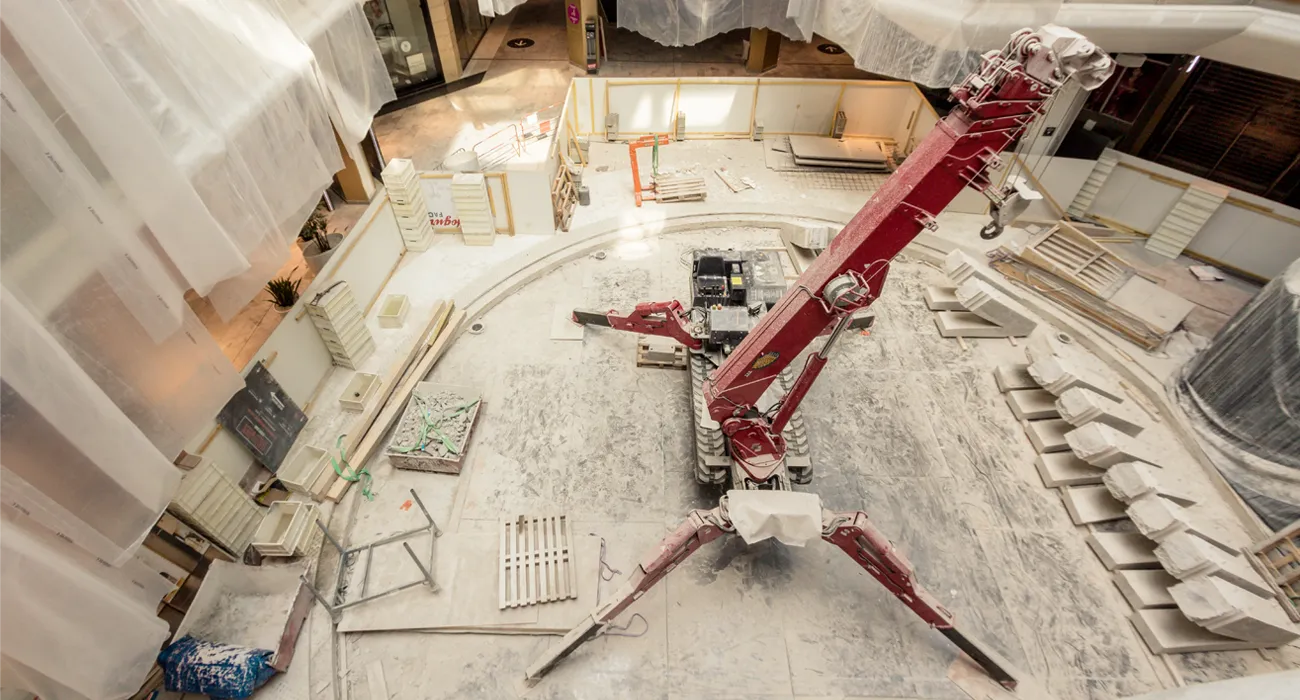
How to Renovate Without Halting Operations?
A Step-by-Step Guide to Phased Renovation in Industrial Facilities
processes, logistics flows, safety rules, and shift schedules all run simultaneously. This is why the most critical question is: How do you renovate without halting operations?
The answer: correct planning, disciplined site management, a strong HSE culture, and transparent process management that makes every step measurable.
1) Correct Diagnosis at the Start: Site Survey & Risk Analysis
The biggest losses in renovation work carried out while operations continue stem from entering the project too quickly. The following questions must first be clarified:
- Where does the renovation area affect the production flow?
- Which sections could be affected by dust, odour, vibration, and noise?
- What is the access route to the work area?
- Where do electrical, mechanical, fire, and low-current infrastructure lines run?
- What are the critical risks and how will they be controlled?
The risk analysis and method statement developed at this stage reduce on-site surprises and keep schedule and cost deviations under control.
2) Phased Execution: Keep Moving Without Interruption
The key to renovation while production continues is a phased work schedule. A phased plan divides the work into small, manageable sections and clarifies for each phase: start/end date, area handover conditions, isolation requirements, material delivery plan, and control and commissioning steps.
The advantage: operations do not experience a complete shutdown at any point. Progress is made phase by phase without disrupting the facility’s order.
3) Zone Isolation & Clean Working Discipline
During renovation works while operations continue, the cleanliness of the site and its isolation capability are as critical as the quality of the work itself. Frequently used methods:
- Dust barriers and temporary partition systems
- Controlled entry and exit points
- Separation of material transport routes
- Rapid waste removal (daily collection and removal)
- Cleaning plan and daily site tidiness
4) HSE-Focused Plan: Permit-to-Work & Safe Site Management
Renovation in industrial facilities involves high-risk steps such as work at height, hot work, electrical work, and confined space entry. HSE must be a system that lives on-site, not paperwork.
- Permit-to-work (PTW): hot work, electrical, and confined space permits
- Energy isolation (LOTO): eliminating unexpected energization risk
- Daily toolbox talks: clarifying the day’s risks with the team
- Appropriate PPE and inspection: keeping standards sustainable
5) Multi-Disciplinary Coordination: Civil + MEP + Finishing on One Plan
Many disciplines enter the site simultaneously: civil works, partition walls, floor coverings, mechanical and electrical infrastructure, fire systems, low-current systems. The critical point is that teams advance in the correct sequence without waiting for each other. Weekly site meetings, key milestones, control checklists, and clash analyses must all be managed from a single point.
6) Transparent Management & Reporting for On-Time Delivery
The greatest need of institutional clients is current information: what is done, what remains, are there risks, is the schedule holding? Recommended format:
- Daily/weekly progress report
- Photo-documented site records
- Revision and change log
- Risk and action tracking table
- Phase closure inspection records
7) Commissioning & Handover: Test Before Saying Done
In industrial projects, handover means the work is operational – not just finished in appearance. Before an area is commissioned: testing and inspections, user acceptance checks, documentation (as-built drawings, inspection records, warranty/product information), and phase closure sign-off must all be completed.
Conclusion
Renovation without halting operations is possible with the right phased plan, strong isolation, disciplined HSE management, multi-disciplinary coordination, and transparent reporting. This approach allows the facility to be renewed without disrupting its daily order, keeps costs under control, and strengthens on-time delivery.
Are you planning renovation works while production continues at your facility? Let us build the best roadmap together with a site survey and phased work schedule.